
Navigating the Modern Tools Shop: The Ultimate Guide to Equipping Your Workshop
Whether someone is a seasoned general specialist, a vehicle lover, or a weekend DIY warrior, the quality of their work is inextricably connected to the quality of their equipment. Stepping into a contemporary tools store-- whether physically or digitally-- can feel frustrating. With countless devices, gizmos, and heavy-duty machinery readily available, knowing what to look for is vital for making clever financial investments.
This extensive guide checks out whatever a modern-day maker needs to understand about browsing a tools shop, selecting the right gear, and constructing a flexible, trusted toolbox for any job.
1. Categorizing the Workshop: Understanding Tool Types
Before acquiring anything, one need to understand how tools are classified. A well-stocked tools store typically divides its inventory into numerous core departments. Knowing these categories assists buyers draw up their office and spending plan successfully.
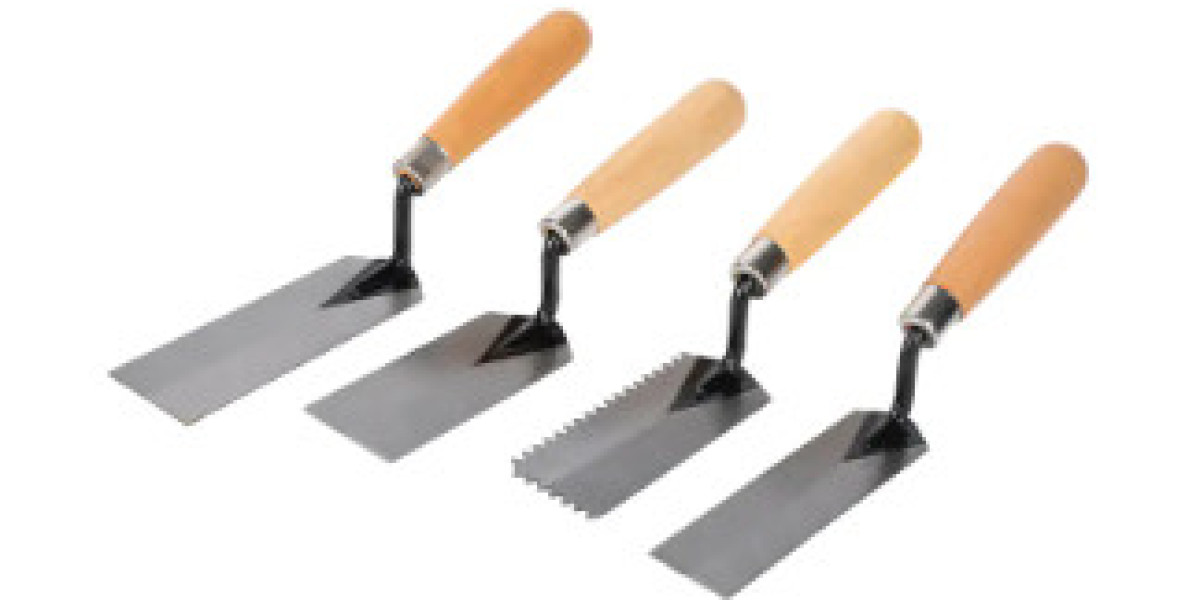
- Hand Tools: The fundamental aspects of any toolkit. These require human muscle power and offer supreme precision and control.
- Power Tool Online Retailer Tools: Electrically or pneumatically driven gadgets that accelerate heavy labor, cutting, and Online Power Tools, attachment.
- Determining and Layout Tools: Precision instruments that make sure cuts are directly, angles hold true, and structures are level.
- Safety Equipment: Personal Protective Equipment (PPE) developed to keep the operator safe from debris, loud sounds, and hazardous materials.
- Tool Storage and Organization: Chests, cabinets, and modular systems designed to keep the workshop organized and effective.
2. Essential Hand Tools Every Workshop Needs
Even in an age of advanced robotics and cordless technology, hand tools stay the backbone of any respectable tools store. Here are the non-negotiable products every novice or professional must own:
- Claw Hammer: Essential for driving and pulling nails; a 16-ounce fiberglass or wooden deal with design is the flexible sweet area.
- Screwdriver Set: A mix of Phillips and flathead chauffeurs in various lengths. Ratcheting screwdrivers are a popular modern-day upgrade.
- Adjustable Wrench (Crescent Wrench): A versatile tool that adjusts to numerous nut and bolt sizes when specialized sockets aren't available.
- Energy Knife: Indispensable for opening product packaging, scoring drywall, and precision trimming.
- Pliers Set: Includes needle-nose pliers for tight spaces and linesman pliers for grasping and cutting wire.
- Tape Measure: A 25-foot locking tape step with clear, easy-to-read markings.
3. Navigating Power Tools: Corded vs. Cordless
Among the most significant choices shoppers face in a modern-day tools store is choosing in between corded and Power Tool Uk cordless power tools. Both have unique advantages and disadvantages.
| Function | Corded Power Tools | Cordless Power Tools |
|---|---|---|
| Power Output | Constant, limitless power; suitable for durable, constant work. | Extremely advanced lithium-ion batteries provide immense power, though it diminishes with time. |
| Mobility | Limited by the length of the extension cord and proximity to an outlet. | Outstanding portability; ideal for job websites without electrical energy or operating at heights. |
| Weight | Usually lighter since there is no heavy battery attached. | A little heavier due to the battery pack, though contemporary styles balance this well. |
| Upkeep | Low upkeep (no batteries to deteriorate with time). | Needs battery care; platforms (e.g., 18V or 20V) must be managed throughout numerous tools. |
| Finest Used For | Stationary workshop tables, heavy demolition, and continuous grinding. | Fastening, drilling, framing, and on-the-go home repair work. |
4. Purchasing Safety: The Most Critical Department
No journey to the tools store is complete without visiting the safety aisle. Running high-speed equipment without proper protection is a serious danger. Every workshop ought to be stocked with:
- Impact-Resistant Safety Glasses: ANSI-rated glasses to safeguard eyes from flying woodchips, metal shards, and chemical splashes.
- Hearing Protection: Earplugs or electronic earmuffs, particularly when operating loud tools like miter saws, routers, and air compressors.
- Respirators and Dust Masks: N95 or half-mask respirators to filter out fine sawdust, paint fumes, and fiberglass particles.
- Work Gloves: Heavy-duty leather gloves for material handling and cut-resistant gloves for sharp metal or glass work.
5. Tips for Shopping Smart at a Tools Shop
Strolling into a tools store without a strategy can result in purchaser's remorse or overspending. Follow these professional pointers to get the best value:
- Prioritize Quality Over Quantity: It is much better to buy one professional-grade drill that lasts a decade than 3 inexpensive drills that stop working within a year.
- Stick to a Single Battery Ecosystem: If purchasing cordless power tools, select one reliable brand name (e.g., DeWalt, Makita, Milwaukee). This enables interchangeable usage of batteries and chargers, conserving considerable cash.
- Test Ergonomics: If possible, hold the tool in your hand. Weight distribution, grip texture, and set off placement matter significantly during long work sessions.
- Try to find Warranties: Reputable manufacturers stand by their items with multi-year and even life time warranties. Always check the small print before buying costly equipment.
Frequently Asked Questions (FAQ)
1. How do I choose the right hammer weight for general DIY jobs?
For general home tasks and DIY tasks, a 16-ounce claw hammer is the market standard. It offers adequate heft to drive standard framing nails without triggering extreme arm fatigue. Lighter hammers (10-- 13 oz) are much better for delicate trim work, while heavier hammers (20+ oz) are booked for professional framing and demolition.
2. Are economical tool brands worth buying?
It depends on the meant use. If the Tool Store is for a one-off weekend project, spending plan brand names offer extraordinary worth. Nevertheless, for everyday professional use or precision woodworking, purchasing mid-tier to high-end brands ensures better resilience, safety functions, and client assistance.
3. How should I store my tools to prevent rust?
Wetness is the main enemy of metal tools. Store your tools in a climate-controlled environment if possible. Usage silica gel packets inside toolboxes, wipe down metal surface areas with a light machine oil after usage, and consider buying a water resistant or powder-coated steel storage cabinet.
4. What is the most crucial power tool for a beginner?
A cordless drill/driver is almost generally considered the first power tool a novice need to purchase. It manages a massive variety of tasks, from putting together flat-pack furnishings to hanging drywall and drilling anchor holes.
Gearing up a workshop is a journey, not a location. Building a trusted collection of gear from a relied on tools store requires time, careful consideration, and a focus on safety and ergonomics. By comprehending the differences in between hand and power tools, sticking to merged battery platforms, and focusing on premium fundamentals, any DIYer or professional can develop an office efficient in tackling strategies and easy repairs alike. Happy structure!